Heating Repair
How to get through a Charlotte ice storm
8 minute readWritten by the Kessler technicians
Short answer
Before a Charlotte ice storm: replace your filter, set a steady thermostat temperature, and locate your water shutoff. The real risk here is ice bringing down power lines, not extreme cold, so plan for an outage rather than a deep freeze.
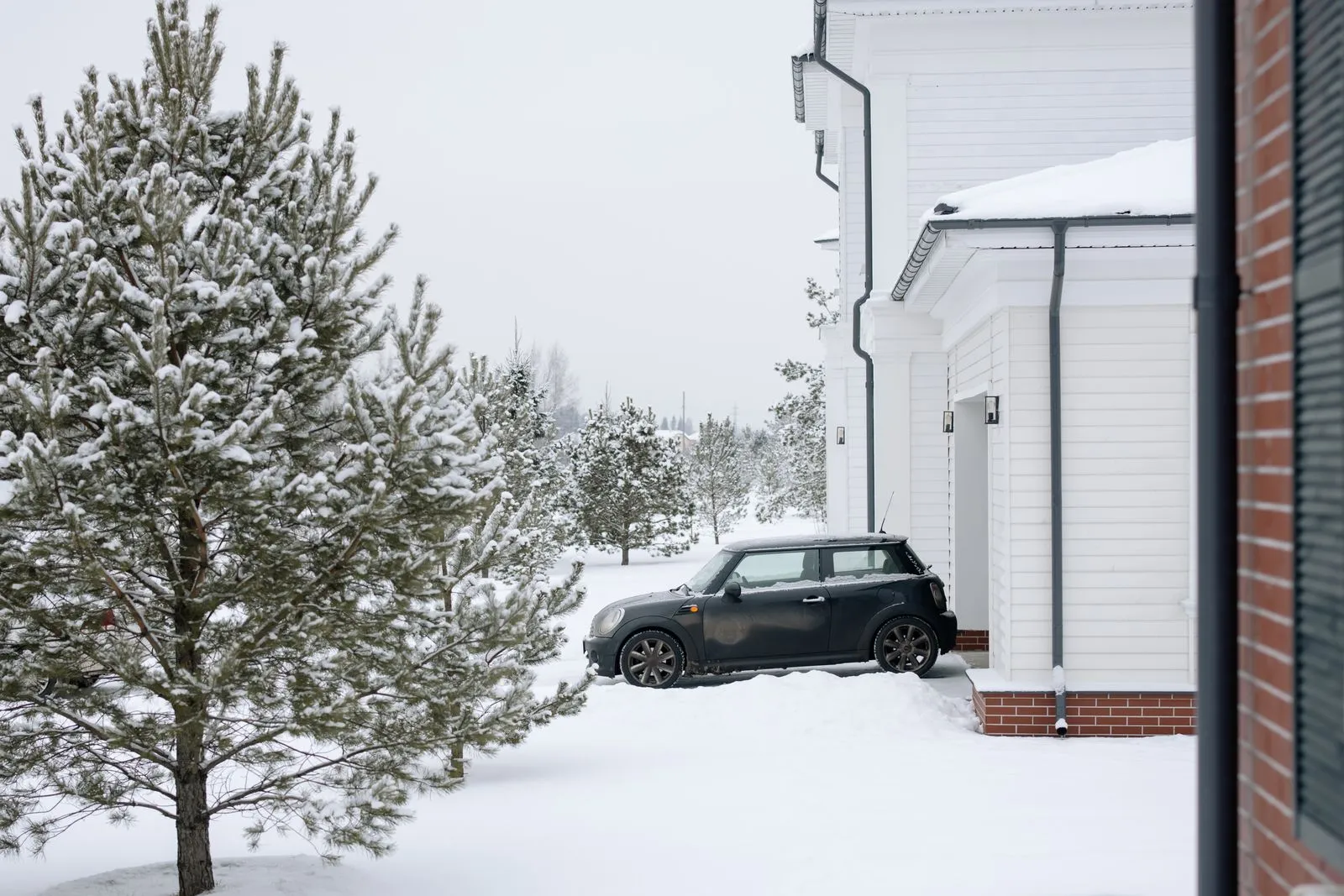
Charlotte's winter risk is ice, not cold
This is the part people moving here from further north get wrong. Charlotte rarely sees the sustained deep cold that stresses equipment in the Midwest. What it sees is freezing rain that coats power lines and tree limbs, and Charlotte has a lot of mature trees over a lot of power lines.
That changes the whole preparation list. You are not really preparing for a system that cannot keep up. You are preparing to have no electricity for a day or three while it is 28 degrees outside, which means an all-electric heat pump gives you nothing at all.
Before the ice arrives
- Replace the air filter. A restricted filter is the fastest way to overwork a system on the coldest night of the year.
- Set a steady temperature and leave it. Cycling the thermostat up and down forces the backup heat strips on repeatedly, which is the most expensive way to heat a house and the hardest on your panel.
- Find your main water shutoff now, while it is light outside and your hands still work.
- Open cabinet doors under sinks on exterior walls, and if you have a vented crawl space, know where the exposed runs are.
- Charge everything. If you are all-electric, an outage means no heat at all, so decide in advance where you would go.
Crawl space pipes are the Charlotte version of this problem
In colder states the pipes at risk run through attics and exterior walls. Here they very often run through a vented crawl space, which is open to outside air by design and sits directly under your floor.
Insulation on those runs degrades quietly over years, especially in Mecklenburg's damp clay conditions, and nobody looks until something bursts. If you have never been under your house, the week before a forecast ice event is a reasonable time to send someone who will.
Worth checking: Crawl space vents can be closed temporarily during a hard freeze. Just remember to open them again, because a sealed damp crawl space causes its own set of problems the rest of the year.
If you have a heat pump, this is normal and not a fault
Below roughly 35 degrees a heat pump's output drops and your backup heat carries more of the load. The air from the vents feels cooler than a gas furnace's air even while the house is heating correctly. That is physics, not a breakdown.
You will also see the outdoor unit run a defrost cycle: it briefly reverses to melt frost off the coil, steam comes off it, and the indoor air goes cool for a few minutes. Completely normal. We get called out for this every winter and we do not charge for the visit when that is all it is.
Heat pumps are the default system across the Carolinas, so the question worth asking is not whether yours works in winter. It is whether the backup was sized for a real ice event, and whether your electrical panel can actually carry it.
The real question: Not whether a heat pump works in a freeze, but whether your backup heat was sized for a genuine Carolina ice event rather than a mild cold snap. That is a calculation, and it is worth having done before you need it.
Heating safely when the power is out
Never heat a home with an oven, a gas range, a charcoal or gas grill, or a generator indoors or in an attached garage. These produce carbon monoxide, which is odourless, and it kills people during outages every single winter.
Generators need to run well away from the house with the exhaust pointed away from windows and vents. An attached garage with the door open is not far enough.
If you use a fireplace, make sure the flue is open and clear. Put everyone in one interior room and close doors to the rest of the house. Body heat in a small space does more than most people expect.
After it thaws
- Check for leaks before you relax. Burst pipes often only reveal themselves once things warm up and the ice inside them melts.
- Look at the outdoor unit for ice damage or a bent fan, especially if limbs came down nearby.
- If your heat ran hard for days, book a check. Sustained load finds weak parts, and finding them in March is much cheaper than finding them next January.
- Replace the filter again if the system ran continuously.